Showing posts with label Plants. Show all posts

Sunday, October 25, 2015

The Pulai Bloom

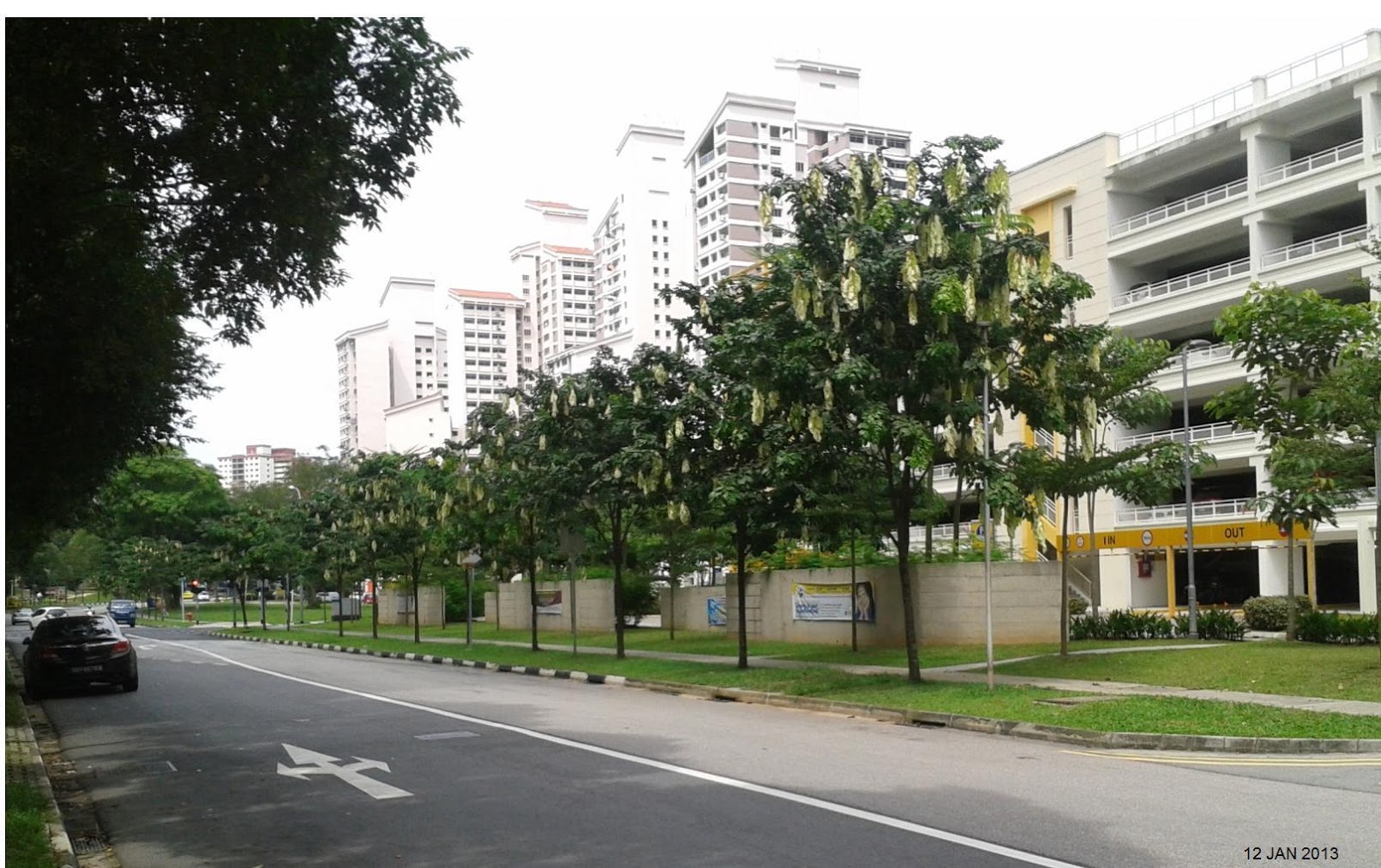
2015 October blooming of the Pulai trees seem to fluorish with the current haze, the worst in South East Asia history.


The Pulai, scientifically Alstonia scholaris drops their flowers faster than they appeared.


Wednesday, January 28, 2015

The Autumn Tree

The Thai crape myrtle is native of the tropical region of Southeast Asia.

In Thailand, it is the provincial tree of Saraburi Province.


Scientific name - Lagerstroemia Floribunda

The leaves gives this tree its character. The leaves will turn red before they fall. This happens twice a year.


Lagerstroemia Floribunda can be seen all over Singapore. It is a better known genus of about 50 species.


Tuesday, September 23, 2014

Trees Health

The National Parks Board maintains and inspects trees along major roads every 12 months.


For trees that have internal defects and are storm-vulnerable, they are removed and suitable species are planted to offset the temporary loss of greenery.


 The instruments used to assess the internal condition of trees are the Tomograph and the Resistograph.


 Let's Make Singapore Our Garden. That's the NParks vision

Monday, September 1, 2014

Giant Plant

The Canna Musaefolia.


The Musaefolia is a massive plant which can grow to 8 feet tall.


Rarely flowers, the flowers produced are small ompared to the giant leaves.


Thursday, June 5, 2014

It's Summer

Flowers blooming everywhere.


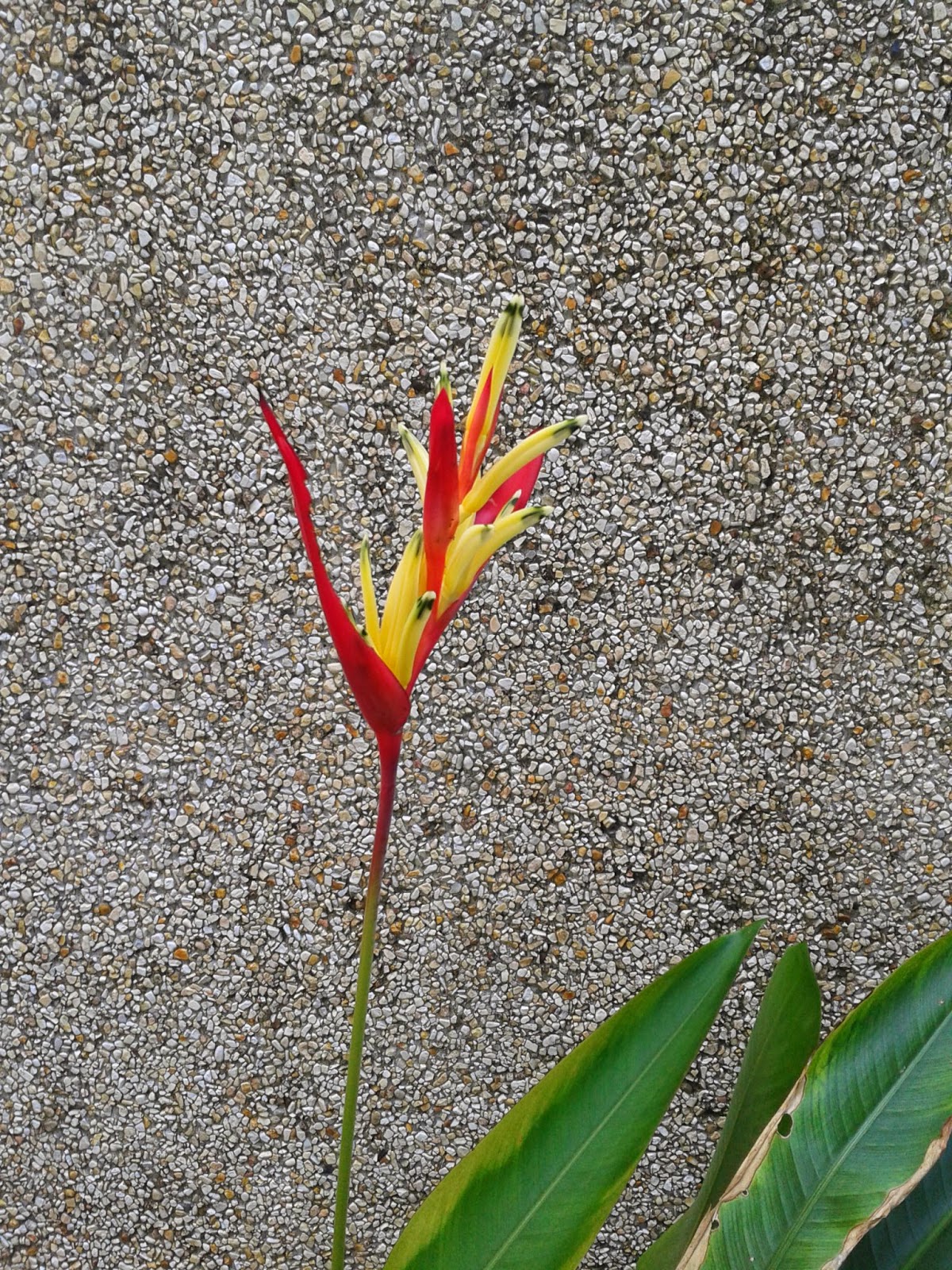
The Heliconia Hirsuta Chumaniana.


Heliconias are native mostly to South America.


They belong to the Heliconiaceae family, which has more than 200 species.


Also blooming beautifully are the Heliconia Amercian Dwarfs.


American Dwarf have orange, black tipped flowers


Sunday, May 18, 2014

The Ixora Bloom

Ixora is a genus in the Rubiaceae family and flowers in the summer.


There are 500 types of Ixora. Commonly found on parks pavement is the Ixora Javanica.


Ixora is native to the tropical areas throughout the world, more common in tropical Asia.


Monday, May 12, 2014

The Amaryllis

Amaryllis and Hippeastrum plants are related and come from the tropics and sub-tropic, have large stalks and trumpet-shaped flowers. They are a genus in the amaryllidaceae family which comprises almost 100 species.


Hymenocallis


The Hymenocallis species has scented, crisp white flowers: with long spidery petals. Hymenocallis come from Central and South America.


The bulbs are now in bloom along Singapore roads.


And yes, as a reminder from Shivani, the architecture of Dubai Burj Khalifa features a triple-lobed footprint, an abstraction of the Hymenocallis flower.


Sunday, April 6, 2014

After the Rain

During the dought at the beginning of 2014.

The dried leafless trees.

The straw-brown drought-stressed grass.


After two months of dry rainless days.

The trees bloom. The grass turn a lush green.


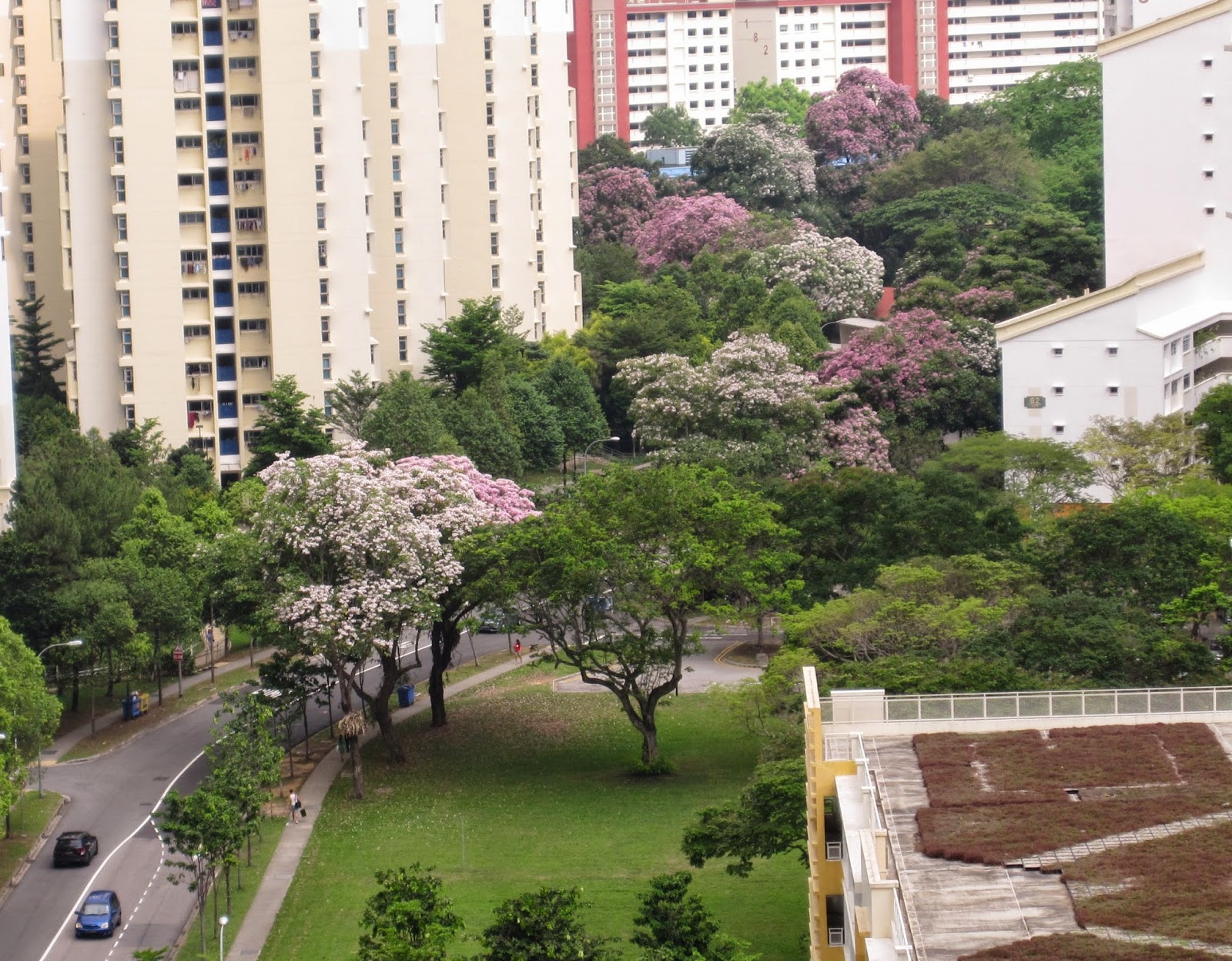
The Trumpet Tree, scientific name Tabebuia Rosea, bloom gloriously making up for lost time.


This tree is known for its impressive flowering display, where the entire tree is spectacularly covered in blossoms.

This takes place in April and August, usually after a dry spell.


Sunday, January 12, 2014

The Smell of Winter

January. The time of the year when an intoxicating mesmerising sweet smell waft into the house.

Alstonia scholaris. Locally called the Pulai tree, it makes the air becomes thick with the flowers’ pungent odour.

Some residents may feel nauseous. The odour can trigger headaches.


Pingtung City, Taiwan, the Works Dept said they receive a large number of complaints during the tree’s flowering. They say that if the city government cannot find a solution, they will demand compensation from the central government.


Some of the trees are close to classrooms. The odor can severely affect students in class. The Pingtung county government have to cut down the trees and replant with other less offending species.


This tiny petal does pack a punch.


Friday, December 27, 2013

The Leaning Pine

The leaning pines are probably planted too close to the apartment block.

Trees naturally grow well with a uniform roots around the tree.


The slope aggravated the problem which caused the root system to become one-sided and unbalanced.

And the pines, scientific name - Araucaria columnaris need sunlight to grow well, so they began to lean outward for sunshine.

The common name is New Caledonia Pine, or Cook pine.


Many human beings are becoming crooked.

Like the pines they leaned away from morality, from growing straight.

The pines need sunlight. The crooked humans need money.


Saturday, July 20, 2013

It's Bloom Time

As if on cue, the handkerchief trees open up in unique fashion.

The tropical version, Maniltoa browneoides bloom in July.


The other version, Davidia Involucrata, common in China and the temperate countries is also called handkerchief tree.


The Davidia Involucrata bloom in May.


Friday, April 5, 2013

The Shady Tree

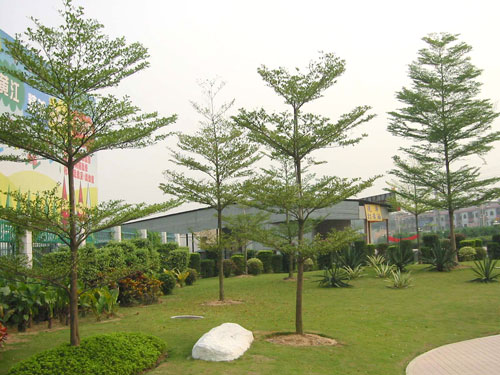
Otherwise known by the scientific name Bucida Molineti.


The tree has its origin from the Caribbean and Bahamas.


The peculiar characteristic of the Bucida Molineti is its multi tiered shady branches.


Can be commonly seen along Singapore roads.


Saturday, January 12, 2013

It's Boom Time


Oops, it's bloom time.

The Maniltoa Browneoides blooms again.

First in June, then January.


Wednesday, July 18, 2012

The Handkerchief Tree

Driving or walking along Singapore roads the handkerchief trees will catch your attention.


The new leaves of these trees hang at the tip of the branches and looking like handkerchiefs.


The scientific name is Maniltoa Browneoides.

It is a native of New Guinea.


Wednesday, June 2, 2010

The Yellow Mushroom

Leucocoprinus birnbaumii.
Pronounced luke-o-kuh-PRY-niss burn-BAUM-eee-eye, is a common mushroom in house plants and greenhouses or any other place with organically rich soil where the temperature is warm.

This deep yellow species has been seen around the country recently particularly in potted plants.


Mushroom experts have declared that Leucocoprinus birnbaumii won't poison you, unless you eat it.

This plant can appear at any time of the year, and do not harm the plants in the pot. Treat them as a colorful pleasure so long as no one is likely to eat them.